Category Archives: Uncategorized

Memorable Finale at Transit Leuven + What’s Next

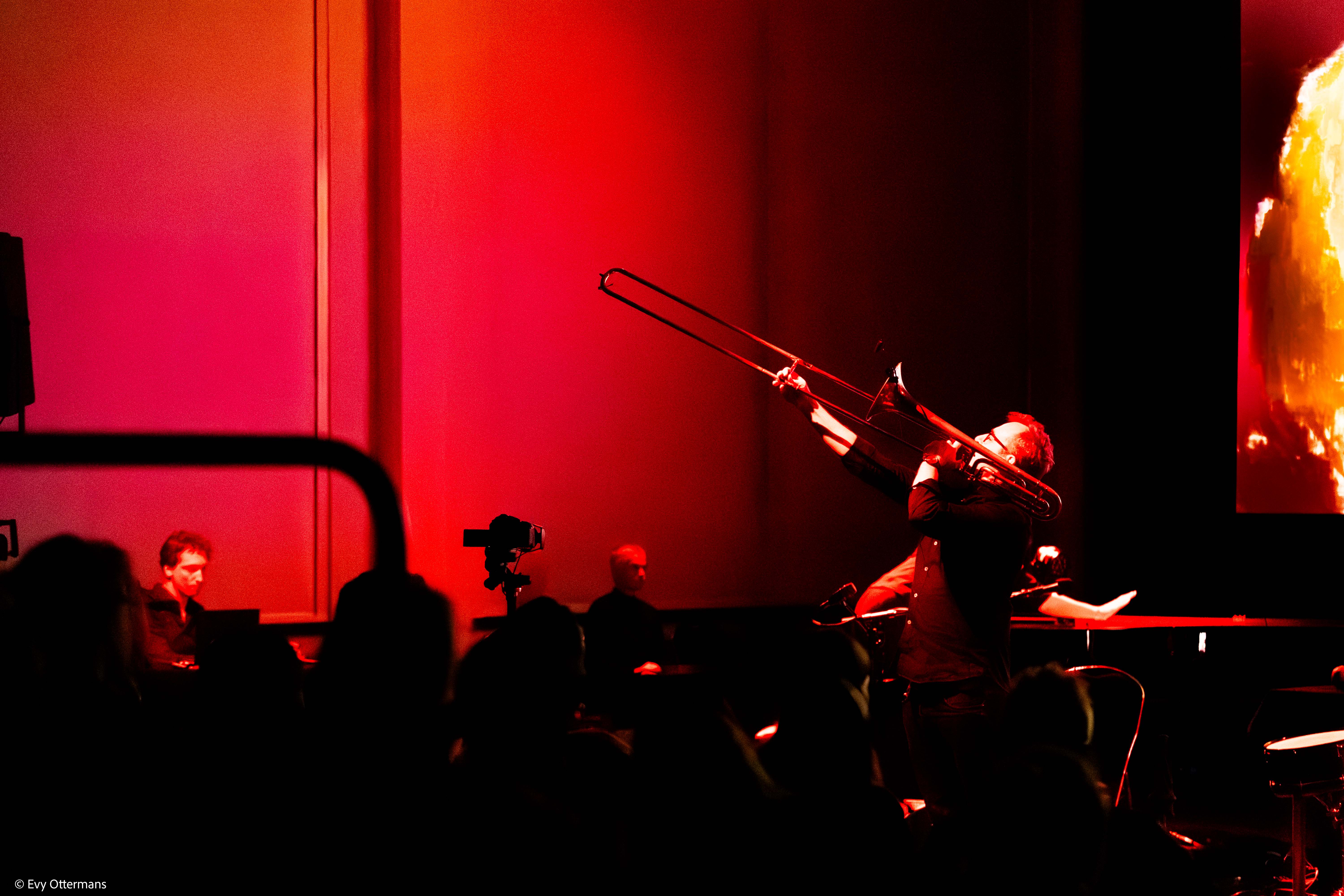
This past weekend, we closed out our fall tour with Nadar Ensemble at Transit Festival in Leuven — and what a perfect way to wrap things up! Leuven always feels like home: it’s full of memories and friendly faces, and the food at STUK never disappoints. Performing there feels like a reunion, and the buzzing festival crowd adds that extra spark of energy.

Playing with Nadar is always a joy. The musicians are exceptional, and the creative rapport we’ve built over time makes every project feel fresh and exciting. I’m proud of how we keep pushing boundaries and collaborating on meaningful works together.
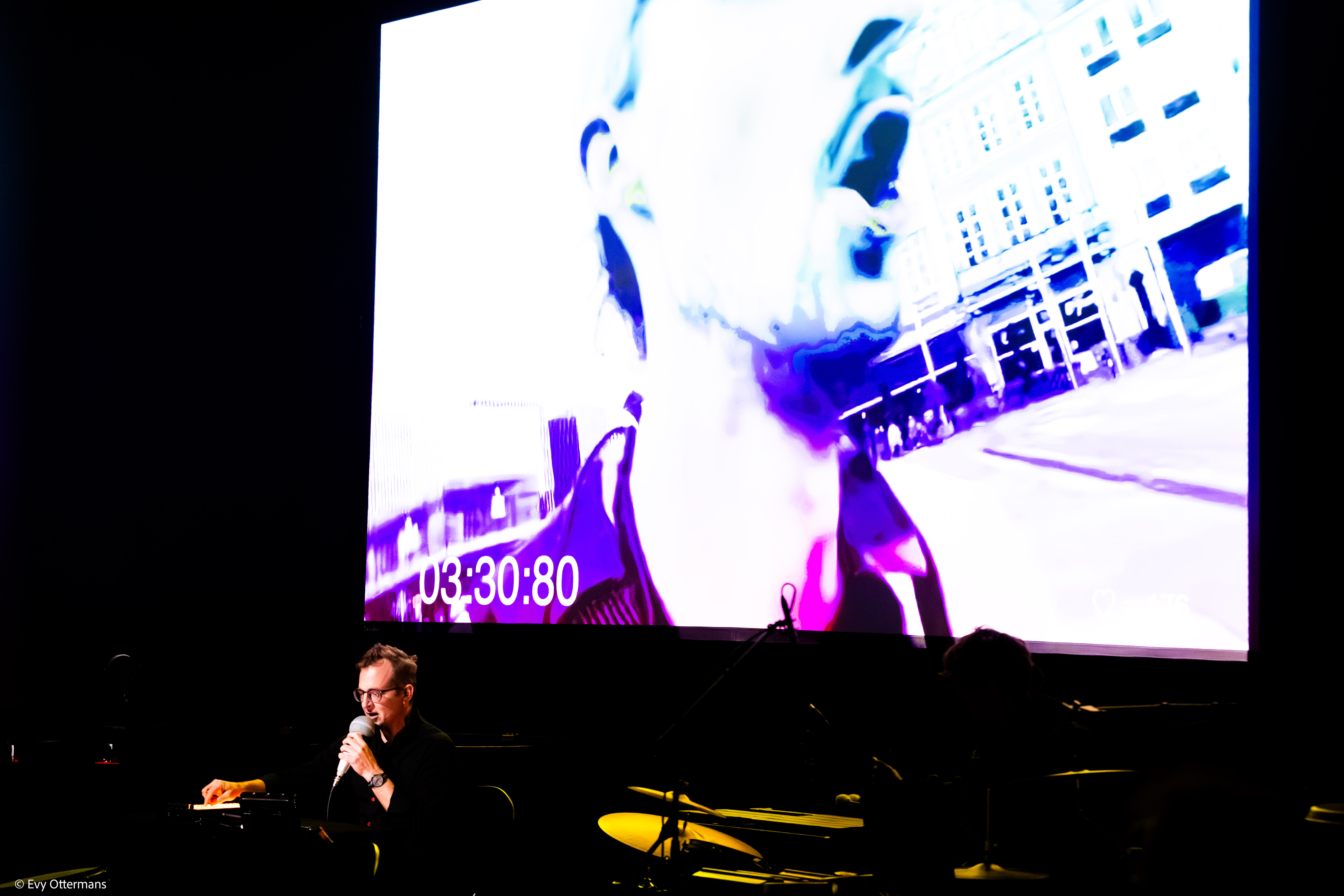
The program we brought was the Nadar Summer School’s What’s Next project. This year’s four composers — Eveline Vervliet (Belgium), Paul Scully (Ireland), Nina Fukuoka (Poland/Japan), and Matthew Grouse (UK) — each brought a truly distinct voice:

  • Eveline Vervliet – The silence that sounds in its absence
  • Paul Scully – Personal Best
  • Nina Fukuoka – Yuggoth
  • Matthew Grouse – To put words in my mouth

Hearing and realizing these pieces with the ensemble gives me hope about the next generation of composers. They challenged us, inspired us — and reminded me why we keep doing this.

(Photos from the performance are included — all are by Evy Ottermans.)


It was a particular joy that MATRIX [New Music Centre] celebrated their 25th anniversary during Transit this year — a milestone for an institution that has nurtured so many voices in new music in Leuven and beyond. I would be remiss if I also did not highlight the amazing socks they distributed as part of the celebration. They are bold and perfect as an unforgettable emblem of MATRIX’s creative spirit — a fun little touch that made the 25th birthday even more memorable.


Looking Ahead: October 27 in Köln

Up next: October 27, I’ll be performing at the Hochschule für Musik und Tanz Köln, in their main concert hall, as part of their portrait concert for George Lewis. My piece will be Oraculum (solo trombone) — the first time I’ll present anything by Lewis, and the first time I’ll play trombone at HfMT in my role as professor there.

This concert is part of the Composing While Black & Queer symposium held at the school. Over three days (27-29 October, 2025), the symposium explores questions of identity, representation, and new directions in contemporary music.

I’m deeply enjoying working on Oraculum. It feels both challenging and rewarding, and presenting it in this context feels meaningful. Doing so in the same institution where I teach — on a program centered on inclusion, visibility, and expanding musical narratives — gives the concert extra weight for me personally.

On Tour with Nadar: First Steps and What’s Next

Don’t Leave the Room in Oslo

The first leg of Nadar Ensemble’s September tour is behind us, and what a ride it has been. From heartfelt audience reactions in Utrecht, to the ingenuity of our tech team in Oslo, and the celebrations in Warsaw, these past weeks have shown me again how lucky I am to travel and perform with the amazing Nadars.

Two programs shaped this journey so far: What’s Next and Don’t Leave the Room. Each stop had its own character, its own challenges, and moments that will stay with me for a long time.


Utrecht

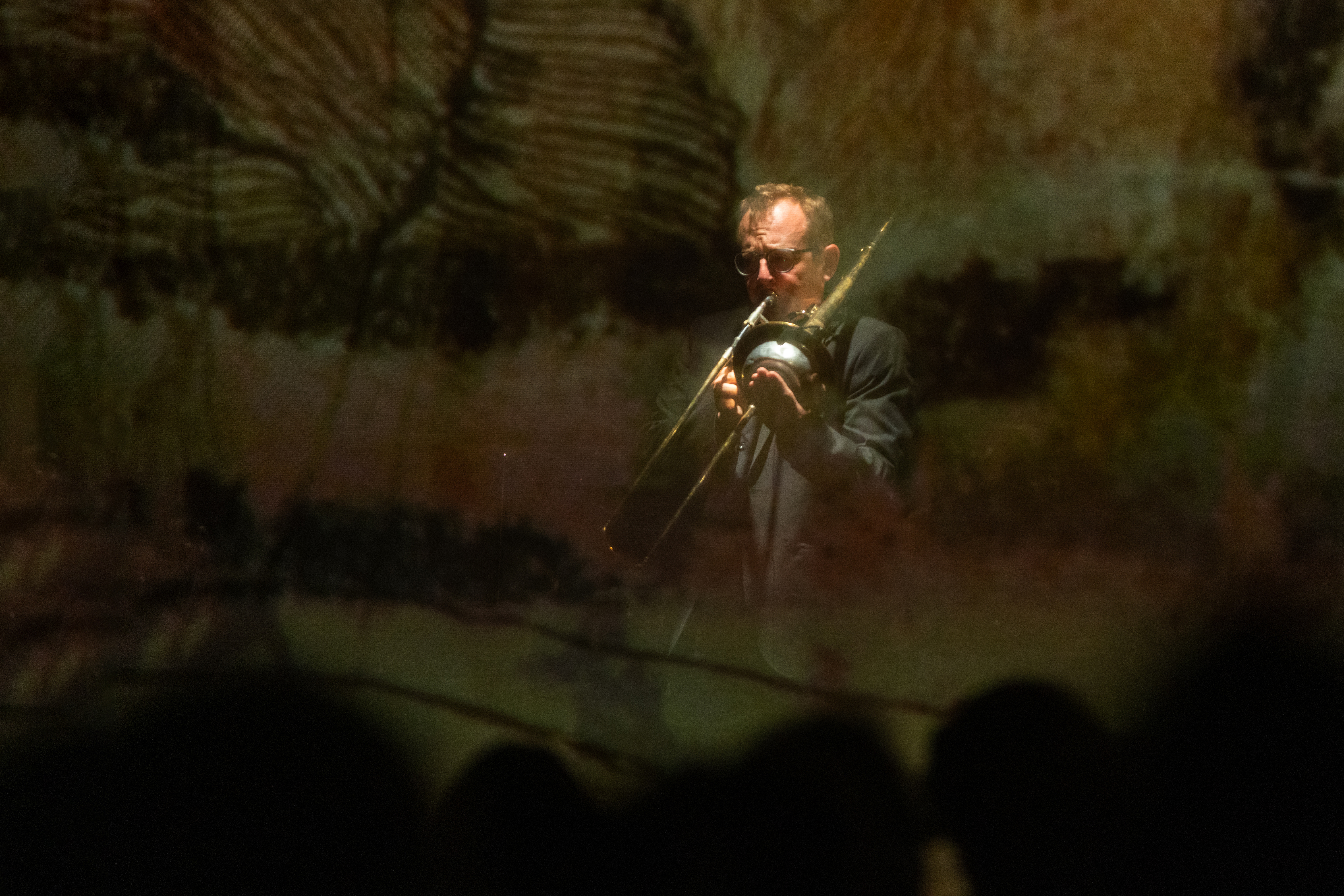
The tour began in Utrecht, a city that always feels like a return for me since it was the first European city I ever lived in. Over two nights we presented both What’s Next and Don’t Leave the Room. Elena Evstratova’s performance of Alexander Khubeev’s new work was especially striking—her presence on stage was raw and moving, and the intensity of her reaction afterwards showed how much the piece demanded.

Paul Scully’s sprint motif brought its own drama: running through the city in the rain and then pushing through a late-night run. It turned into a kind of endurance piece of its own. Add to that the warm audience reactions and encouraging reviews, and Utrecht gave us a start that was both challenging and inspiring.

Elena Evstratova in Don’t Leave the Room (Utrecht)


Oslo

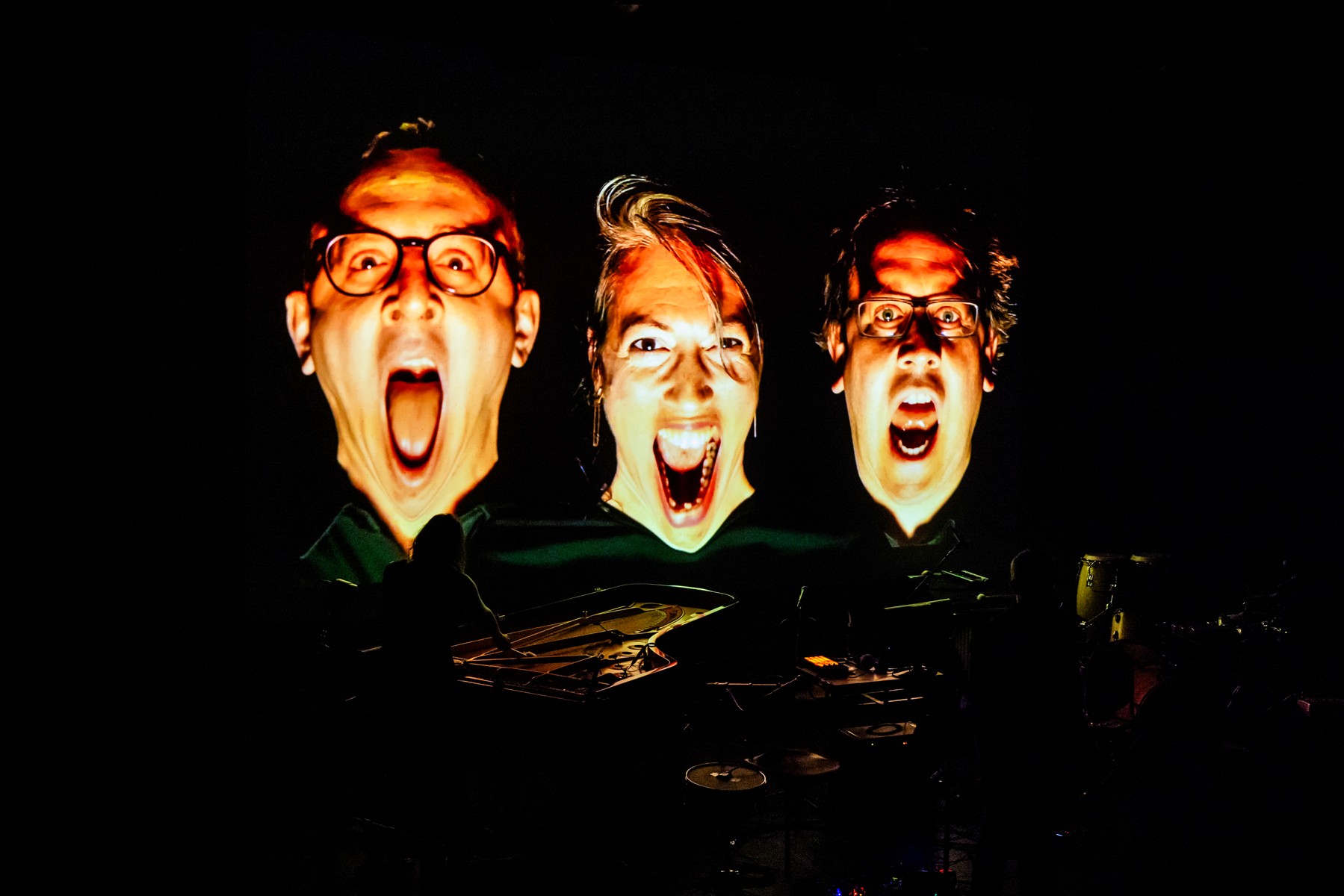
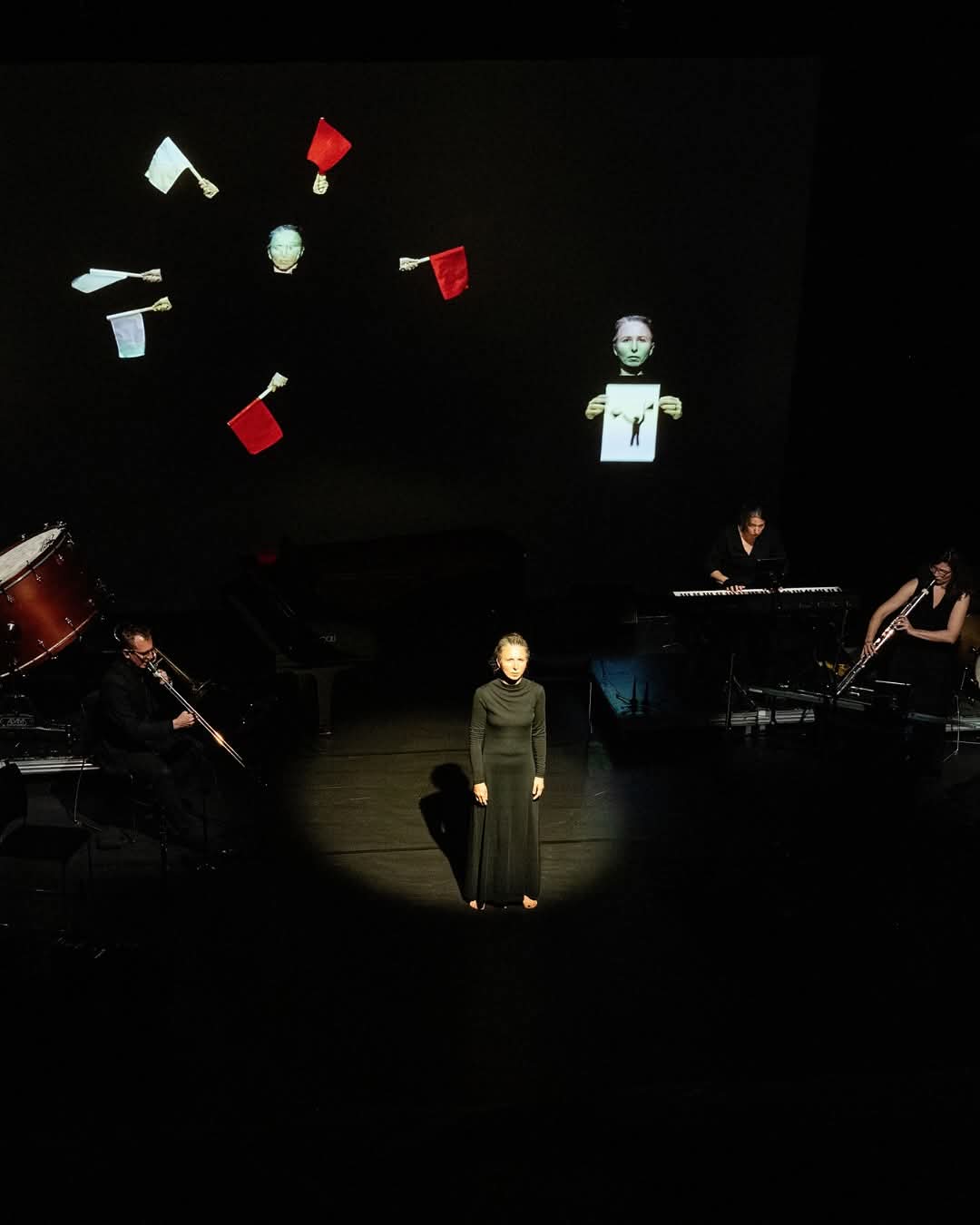
After a short pause at home, we regrouped in Oslo for Don’t Leave the Room. Because of visa restrictions linked to the war in Ukraine, Elena was unable to travel. What could have been a devastating setback became one of the most memorable moments of the tour: our tech team projected a life-size image of Elena performing the piece and wove it seamlessly into the staging. It was a brilliant solution to an incredibly frustrating problem—and in an uncanny way, it matched the program’s theme. Don’t Leave the Room deals with censorship, and here was a soloist literally prevented from being present. The result was both practical and deeply symbolic.

Bluer Womb in Oslo


Warsaw

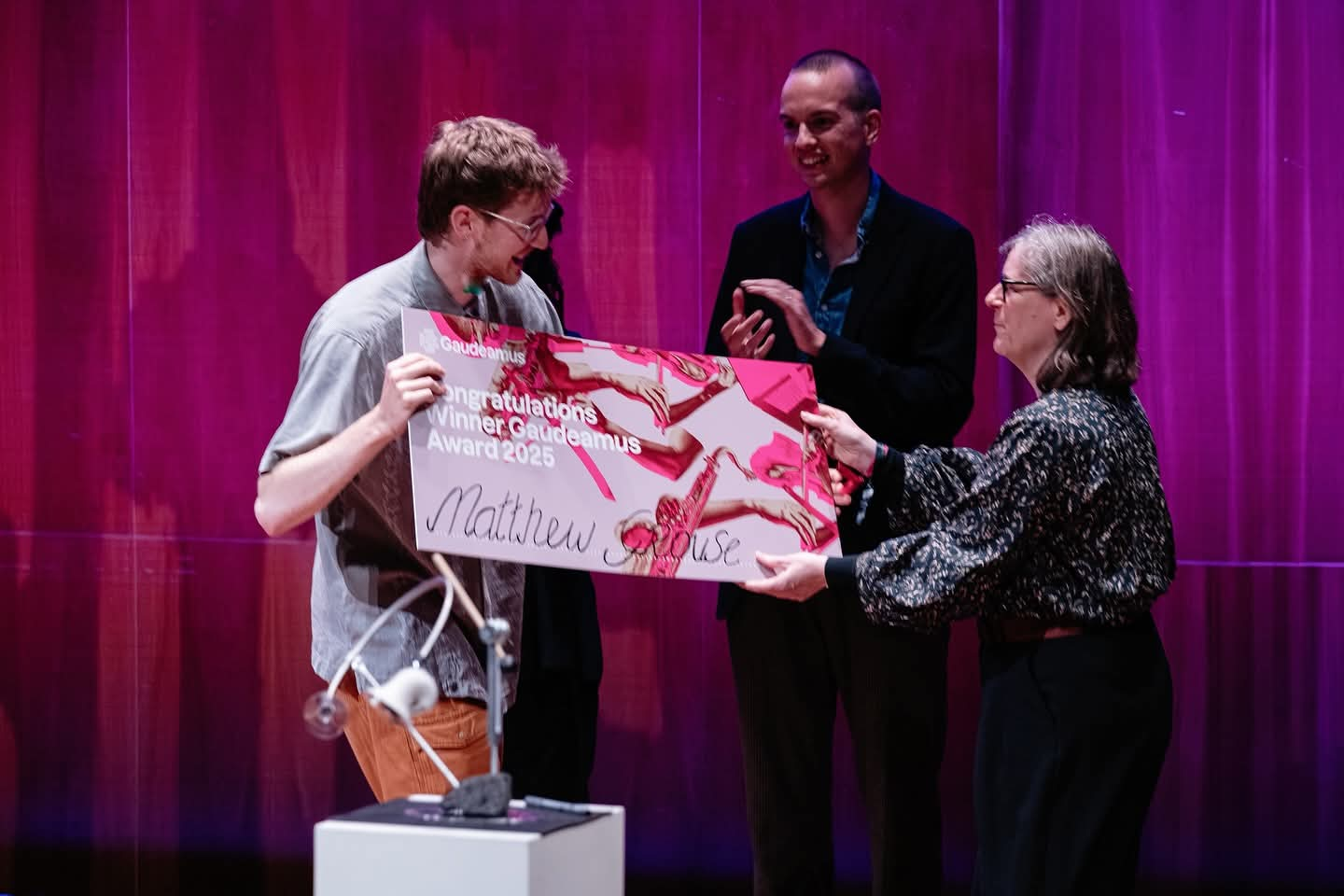
Warsaw brought us back to What’s Next. Heat and late-night sprints tested our stamina, but the city also gave us something to celebrate: Matthew Grouse winning the Gaudeamus Award. This was our first time working with him, and the ensemble felt his recognition was fully deserved. To see a new collaborator honored in this way added a special sense of pride to the trip.

In the bus in Warsaw – Pieter Matthynssens with the great camera work

Matthew Grouse wins the Gaudeamus Prize!


Looking Ahead

The tour now continues with Don’t Leave the Room in Strasbourg and Antwerp, before returning to Leuven with What’s Next. We are all very much looking forward to welcoming Elena back for the Strasbourg performance.

  • September 30, 20:00 — Musica, Strasbourg (FR)
  • October 9, 20:00 — De Singel, Antwerp (BE)
  • October 18, 17:30 — STUK, Leuven (BE)

Strasbourg will be our next chance to bring Don’t Leave the Room to the stage, and it will be especially exciting to have Elena back in person. Antwerp will feel like a home match: we created and rehearsed both programs at De Singel, so bringing them back there carries a special pride. Finally, Leuven will close this leg of the tour with the vibrant energy of What’s Next.

Applause in Utrecht

On Tour with Nadar: From Utrecht to Warsaw


This September – next week, I’m thrilled to go one tour again with our Nadar Ensemble, beginning in Utrecht—a city that feels like a second home. Over two weeks, we’ll perform in three countries, presenting two programs that showcase the ensemble, its flexibility, and our (new) collaborations with six innovative and compelling composers. .

The tour opens with “What’s Next”, where I’ll take on the playful role of a sports commentator in Paul Scully’s piece, alongside works by Matthew Grouse, Nina Fukuoka, and Eveline Vervliet. We’ll also perform “Don’t Leave the Room”, premiering Golnaz Shariatzadeh’s evocative composition Bluer Womb and Alexander Khubeev’s two-part work for solo performer (signing Russian Sign Language!): Don’t Leave the Room and Silentium!

Dates & Venues:


A very special shout out for Nadar’s back-office team. Their seamless organization for this tour – and always – is incredible. Bravo!

Utrecht, where I first lived in Europe, makes this tour’s start extra meaningful to me. Hope to see you in Utrecht, Oslo, or Warsaw!

(All photos are credited to Wim Heirbaut and Nadar Ensemble)


Light Music at Music Current in Dublin

(c) Wim Heirbaut

Last week I had the great pleasure of performing with Nadar at the Dublin Sound Lab’s cool festival Music Current. On the program was Thiery De Mey’s great Light Music. Back in 2021, the incredible computer scientists at Centre Henri Pousseur recreated De Mey’s electronics and since then we have had the chance to play it in several new venues. This most recent performance was reviewed by Adrian Smith:

“Technology was very much a feature of Thierry De Mey’s Light Music (2004, rev. 2021) for conductor and technician that utilised wifi sensors to ‘paint light and sound’. The Nadar Ensemble’s trombonist Thomas Moore assumed the role of a conductor, standing in relative darkness with a beam of light crossing the stage in front of him. When Moore moved his hands into the path of the beam they gave the impression of being independent of his body, flame-like and dancing in sync with sounds from an accompanying tape track. Later in the piece, these movements were visualised on the screen to paint the sound into a series of abstract images. The performance was a tour de force of concentration and accuracy from Moore and again demonstrated the effective integration of music and technology.”

https://journalofmusic.com/reviews/importance-ensembles-new-music-scene

(c) Wim Heirbaut

Light Music in Bruges

Thierry De Mey’s Light Music has fascinated me since the very first the moment I saw it performed. It’s a work for solo conductor and live electronics, but that perhaps does not give enough credit to De Mey’s foresight and inventive spirit. In this piece, the soloist literally creates and illustrates sound in real time and in light. During my doctoral studies I had the chance to work very closely with De Mey and the computer wizards at Centre Henri Pousseur on Light Music and created a new version in 2021. I am thrilled that my ‘home’ ensemble, Nadar, is just as inspired by the piece and has included the work as the title piece in our program at Concertgebouw Brugge this Friday, the 2nd of February. The program is full of incredible light-inspired pieces: DRIE by S. Verstockt, Nocturne by M. Wettl, and Simon Steen-Anderson’s reimagining of Bach’s Schlummert Ein.

Tickets and info here: https://www.concertgebouw.be/nl/nadar-ensemble-10

IN C in DE SINGEL – 18 January 2024

This Thursday evening I get to take another crack at an old favorite: Terry Riley’s “IN C”. Hermes Ensemble, I Solisti and the Youngstars will join forces in and around the Blauwe Zaal in DE SINGEL (Antwerp, Belgium) to present this monumental minimalistic masterpiece. I feel very fortunate to have the chance to coach and direct this wonderful collection of musicians and look forward experiencing it come to life. Come check it out!

Tickets and info: https://desingel.be/en/programme/music/hermesensemble-i-solisti-manoj-kamps-less-is-more?id=a0J5p000031VRA8EAO

Some nice recognition

Thanks Stephan Moens and De Knack!

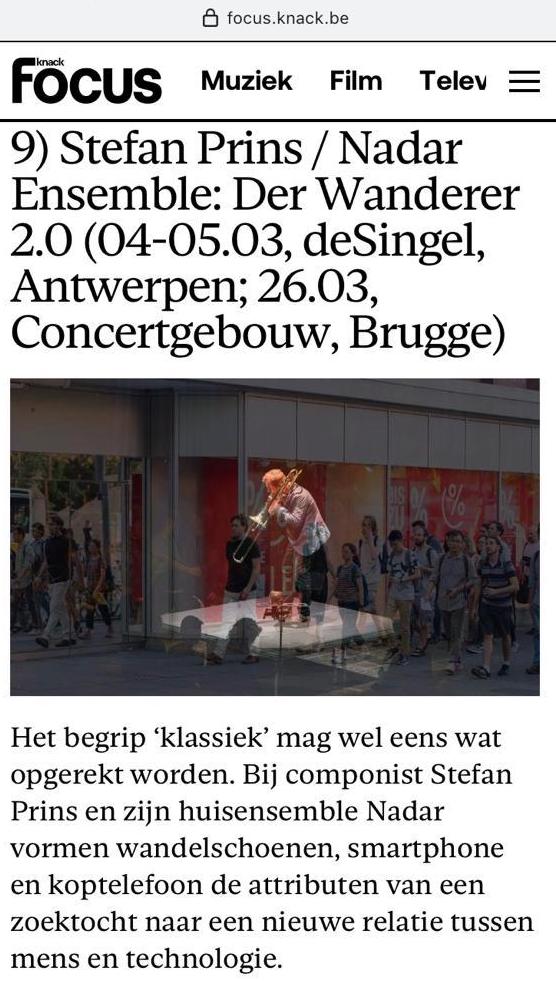
“De balans: dit waren de beste 10 klassieke concerten van 2023 tot nu toe (…)
9) Stefan Prins / Nadar Ensemble, Der Wanderer 2.0. Het begrip ‘klassiek’ mag wel eens wat opgerekt worden.”
For my English speaking friends:
The balance: this were the best 10 classical concerts of 2023 so far.
9) Stefan Prins / Nadar Ensemble, Der Wanderer 2.0. The term ‘classical’ can be stretched a little.

Sweet words to start the summer.

Link to the article here and I took some screenshots below because its behind a paywall.

My first book!

Together with the amazing Pascal Gielen and Rebecca Diependaele, I am more than thrilled to announce that my first book will be published in the coming weeks. Here is a copy of the cover designed by the one and only Joram De Cocker.

Thank you to Nadar for everything and especially this time for the great publishing work! Thank you to Michael Beil for the inspiring piece! And thank you to INSAM for allowing us to rework and republish this essay.

New Nadar & Stefan Prins Show: Der Wanderer 2.0


DER WANDERER 2.0

STEFAN PRINS

2023

Existing and new video and electronica works are linked in a surprising way in a single, uninterrupted grand tour.

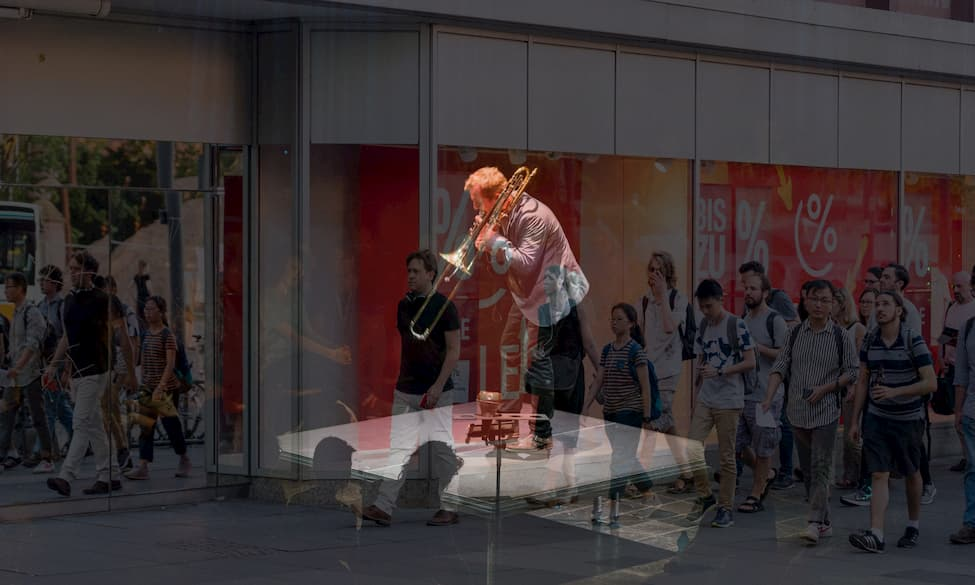
In our ever more virtual world, the boundaries between indoors and outdoors are becoming increasingly blurred. In Der Wanderer 2.0, a new, full-evening multimedia performance from Stefan Prins and Nadar Ensemble, you’ll have the opportunity to experience this first-hand. Not only will Prins go with you on a stroll in and around DE SINGEL, but also through his oeuvre. Existing and new compositions with video and electronics are linked in a surprising way in a single, uninterrupted grand tour.

Shows: 4 and 5 March in De Singel, Antwerp

Tickets and info here.

New Article Published: Role Playing in six to five

My newest articles were just published in TEMPO.

This article traces the creative process of six to five, a work for 20 guitarists with a special role for the conductor, premiered by the Royal Conservatoire of Antwerp’s guitar ensemble. I commissioned the American composer Jessie Marino as part of research into the role of the instrumentalised conductor. The article explores the ways in which Marino deployed the conductor to meet her artistic goals, testing at each step the extent to which her utilisation rises to the level of instrumentalisation. Applying political theories offered by, among others, Michael Hardt and Antonio Negri, the article also considers the extent to which Marino deployed the conductor as a tactical leader in both the rehearsal process and the performance of six to five.

Check it out: https://www.cambridge.org/core/journals/tempo/article/roleplaying-in-six-to-five/2FC46DF25E2067DB9D97DFF426D0F356

In the same issue, I also published an profile of Jessie Marino in the form of an interview: https://www.cambridge.org/core/journals/tempo/article/profile-jessie-marino/9648B8B71D13DE877DA53F2BBE041287